Stream one · Grades 4–12
STEM
- MathematicsGr 4–12
- Mathematical LiteracyGr 10–12
- Physical ScienceGr 10–12
- Life ScienceGr 10–12
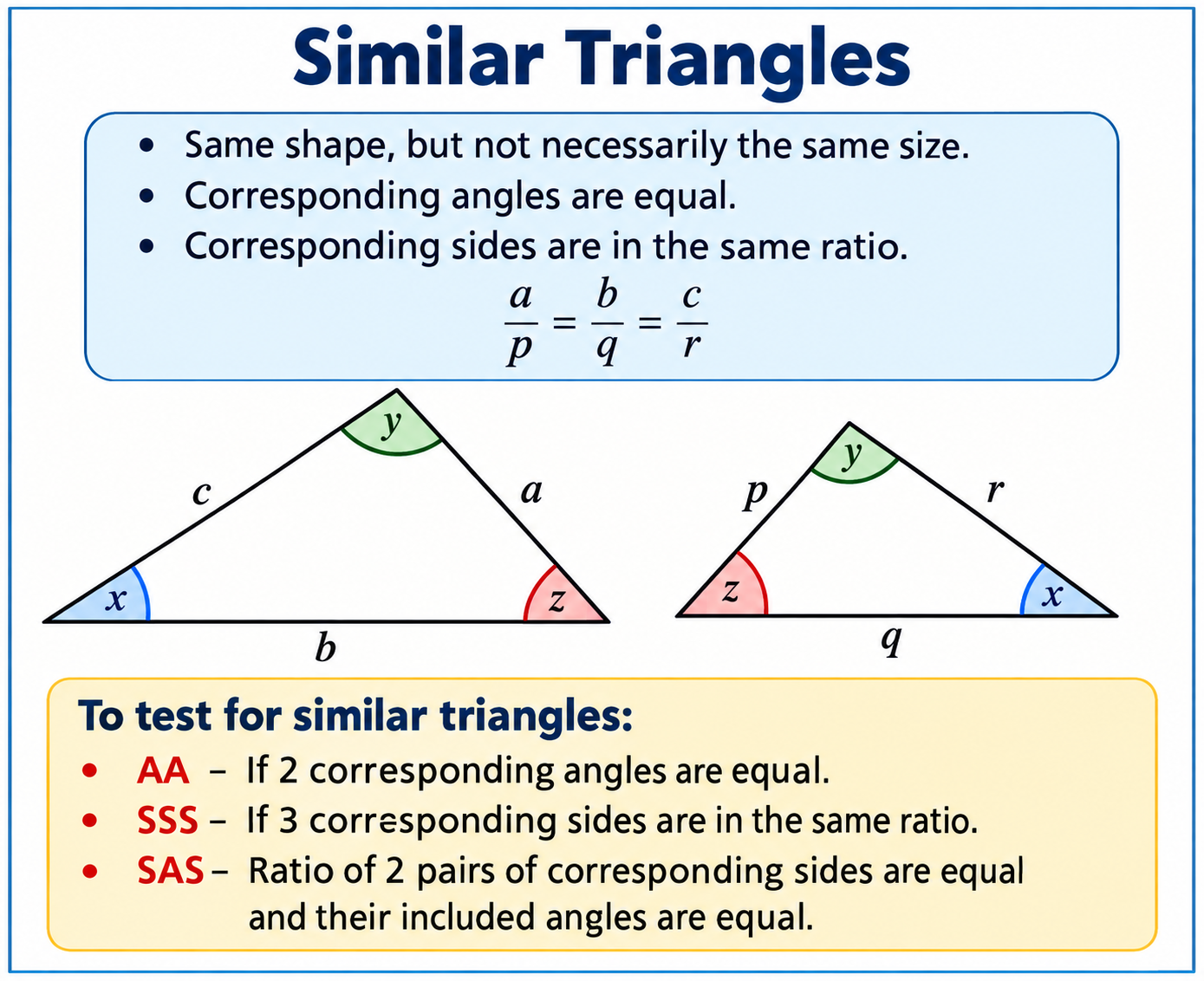
Fig. 1 Similar triangles, Grade 8. The proportion learned here is the one a Grade 11 learner needs for trigonometry, and the one most often missing.
The difficulty
Formulas learned by heart, never understood.
Students often fail not because the material is too difficult, but because they have rote-learned formulas without ever understanding where those formulas came from. It holds until roughly Grade 9. Then the questions stop rewarding recall, and a learner who has been coping suddenly cannot.
How we teach it
From first principles, in order.
We build from the ground: visual models before symbols, careful derivations rather than given results, and a steady accumulation of intuition so that a forgotten formula can be rebuilt rather than merely missed. Past papers come after the concept is secure, never as a substitute for it.
Where a Grade 11 learner is struggling with trigonometry, we will often find the real break in Grade 8 similar triangles. We go back and fix it, while keeping the current syllabus moving.
Life Science asks something different, volume rather than derivation, so we teach it differently: systems learned as connected processes rather than as terminology to be memorised. Mathematical Literacy is taught with the same seriousness as Mathematics, against real contexts rather than as a lesser paper.
Where this leads
Stream two · Grades 8–12
Commerce
- AccountingGr 8–12
- EconomicsGr 10–12
- Business StudiesGr 10–12
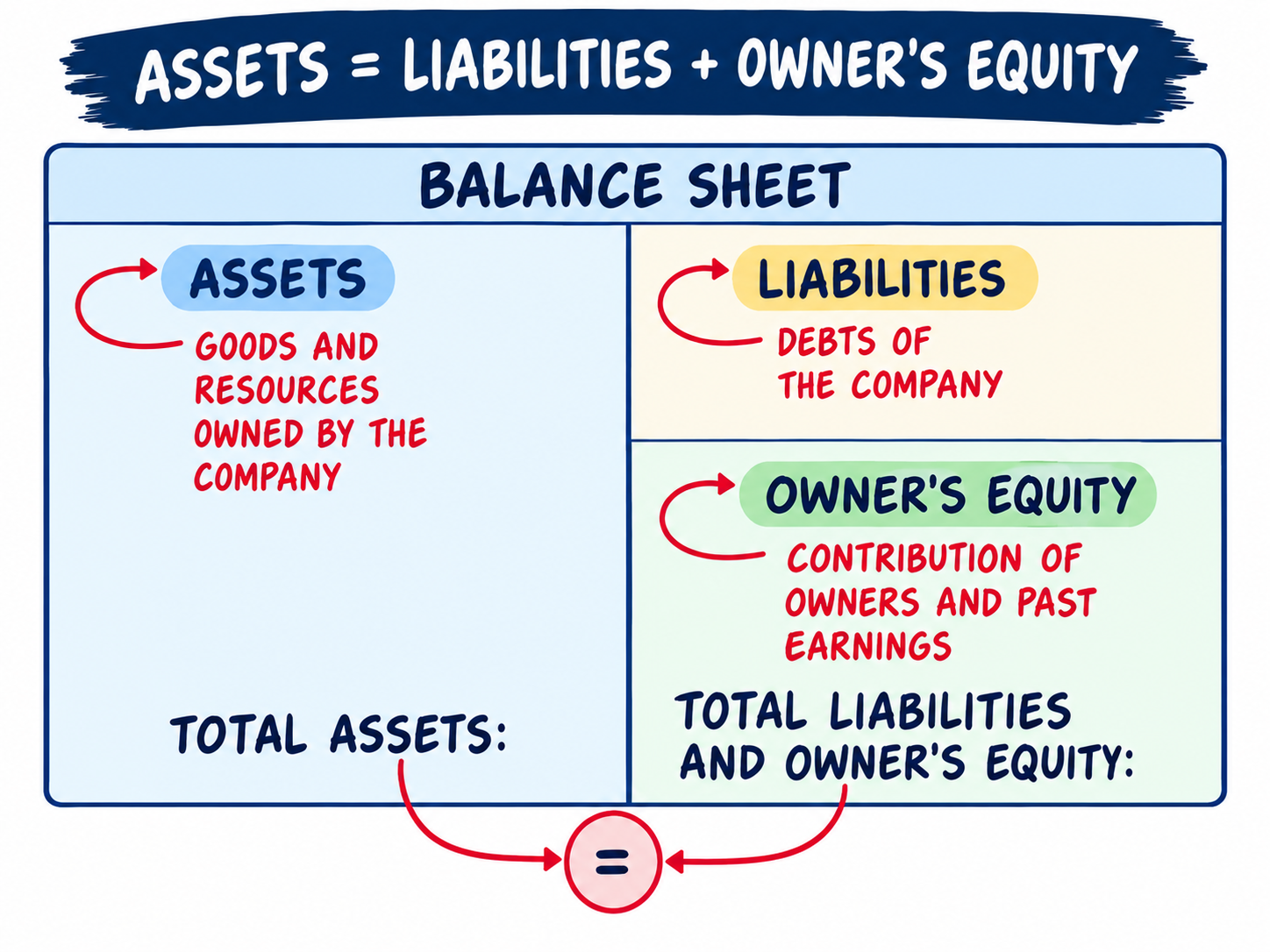
Fig. 2 The equation every Accounting question comes back to. We teach what each side means before we drill the format that carries the marks.
The difficulty
Volume of theory, and unforgiving format.
The sheer quantity of theory in Accounting, combined with how strictly the format is marked, overwhelms most learners. Marks are lost not for misunderstanding the transaction but for presenting it wrongly, which is dispiriting in a way that pure difficulty is not.
How we teach it
Exam technique and financial literacy together.
We drill the format until it is automatic, because those marks are free once the habit is built. Alongside it we teach what the numbers actually mean, so the balance sheet stops being a ritual to reproduce and starts describing a real business the learner can reason about.
Economics is taught the same way: the diagrams are learned as arguments, not as pictures to be copied. Business Studies rewards structured, well-evidenced answers more than any other Commerce subject, so we teach essay planning and case-study technique alongside the content.
Where this leads
Stream three · Grades 4–12
Languages
- English Home LanguageGr 4–12
- English First Additional LanguageGr 4–12
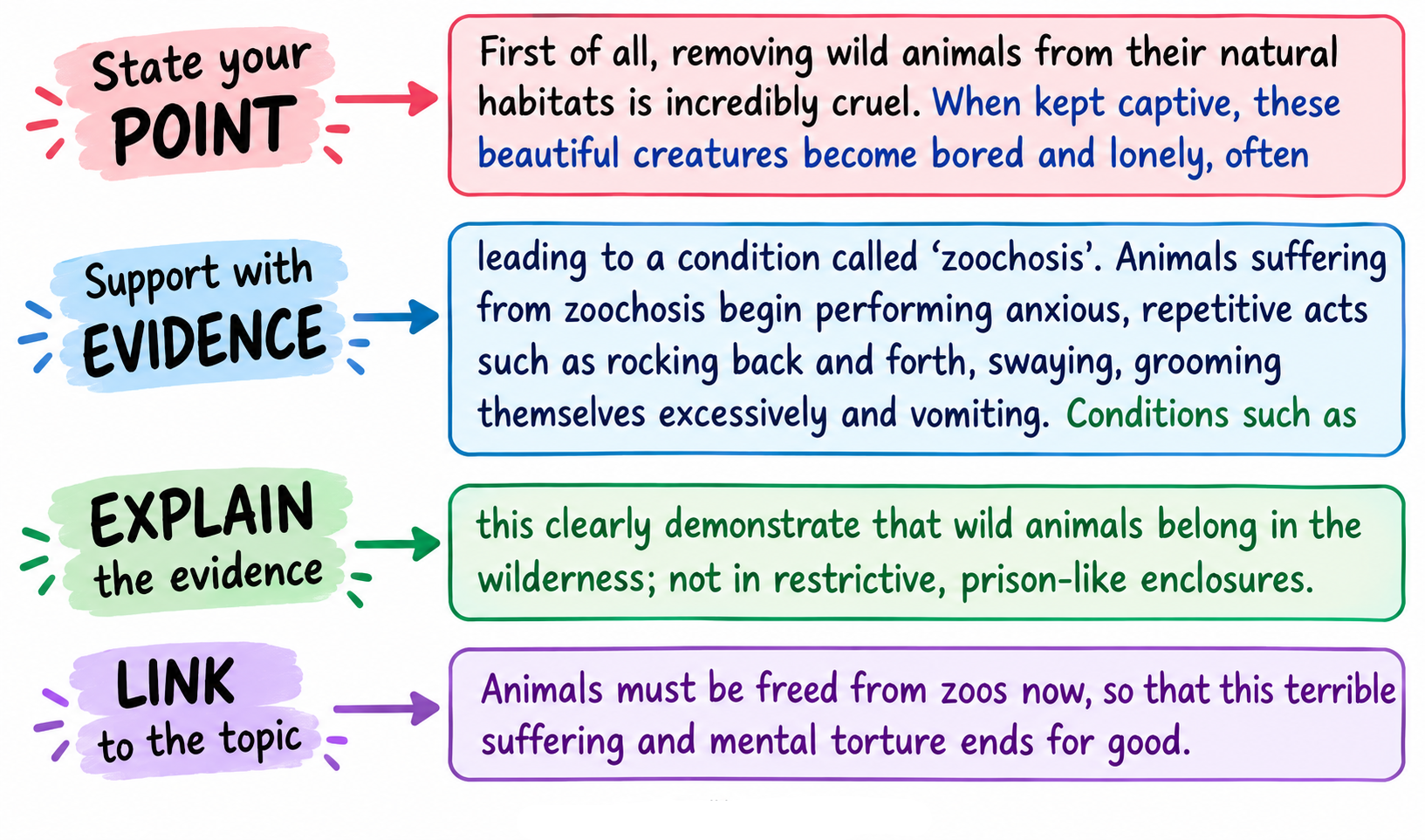
Fig. 3 A paragraph needs a spine before it needs style. Structure is taught first, and voice is built on top of it.
The difficulty
"I don't know what to write."
It is the most common sentence we hear, and it is rarely a vocabulary problem. Learners are asked to produce an argument without ever having been taught the shape of one, then marked on a rubric nobody has explained to them.
How we teach it
Structure first, then voice.
We teach the PEEL method so that an essay has a spine before it has style. We work line by line through Shakespearean and set poetry rather than summarising it, and we bring literary themes into a contemporary context so the text stops feeling like an artefact and starts feeling like an argument worth having.
Comprehension and language structure are taught against the marking rubric, so learners know precisely what the examiner is looking for.
Where this leads
Curriculum coverage
We teach the syllabus your child is examined on.
CAPS, IEB, SACAI and Cambridge do not cover the same content in the same order, and they do not reward the same answers. Tutors are matched to curriculum before anything else.
| Curriculum | Grades | Notes |
|---|---|---|
| CAPS | Gr 4–12 | The national curriculum. Full subject range across all three streams. |
| IEB | Gr 4–12 | Independent schools, NSC examination. Heavier emphasis on application and analysis. |
| SACAI | Gr 10–12 | Home-schooled and distance learners writing the NSC. |
| Cambridge | Gr 8–12 | IGCSE, across core and extended tiers. |
Tell us the subject and we will tell you the truth.
Send us the grade, the subject and the last report. We will say plainly whether we are the right people for it, and if we are not, we will say that too.